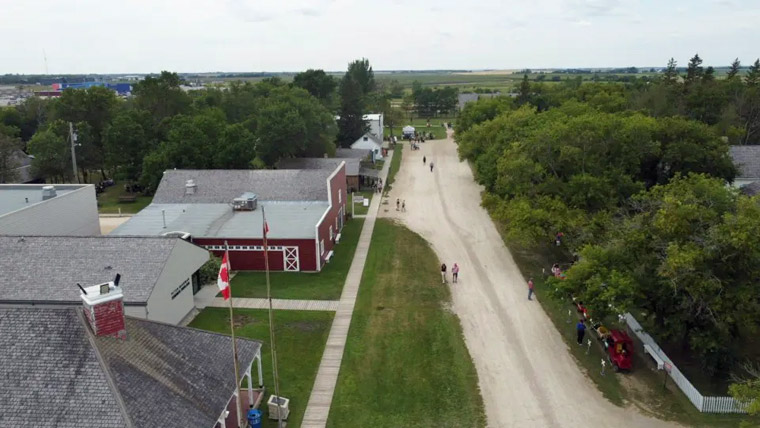
It isn’t easy to understand how a not-for-profit museum can afford to operate a facility that includes nearly 40 acres of land, 17 heritage buildings, a substantial Village Centre and numerous other display and storage buildings. Not to mention, we prepare year-round programming that includes special events, homesteading workshops, day camps for kids, hosting over 3000 students for school field trips and planning half a dozen community festivals in winter, spring and summer.
Just like a person’s home and their vehicle, there are many standard expenses involved in keeping the museum operating. There are utility bills every month, insurance, taxes, repair bills for equipment breakdowns and building upkeep costs to repair leaky roofs, to paint fading heritage buildings, and to renew aging buildings made of wood.
When Mennonite Heritage Village was started 62 years ago, most of the work was done by volunteers and the programming was limited to whatever was possible with donated resources of time and supplies. As the museum developed, permanent and seasonal staff became necessary to bring professional standards to the work of preserving our artefacts and buildings and to develop programs for the community’s benefit. We continue to rely on faithful volunteers to assist us with many aspects of operating a world-class museum and tourist attraction. But we require a core of permanent staff and numerous seasonal staff to plan and coordinate our events, programs and festivals which benefit our local economy and the community we serve.
So how do we pay for all of this? Fortunately, MHV can generate approximately 55% of its needed revenue in four ways. We sell memberships (it’s like an annual pass) and charge admission to all museum visitors. We operate the Livery Barn Restaurant seasonally, which not only enriches each visit with authentic Russian Mennonite cuisine, but also generates revenue. Village Books and Gifts and the General Store are important ways to provide souvenir opportunities for all visitors who attend, and these stores also add to museum revenue. And MHV is an attractive location for celebrations like birthday parties, anniversaries, family reunions, and weddings. Our Private Events department offers space for company meetings and picnics, and all these rental bookings contribute to museum revenue as well.
MHV is fortunate to receive various grants from all three levels of government. Federal, provincial and municipal grants provide approximately 17% of our income most years. Most of these grants are specified for certain projects and for hiring summer staff. We are very grateful for this assistance each year.
This leaves the museum with about 28% of our needed revenue to be raised through fundraising events like our Spring Gala, Waffle sales at Summer In The City, Country Classic Heritage Car Show, Peace Trek, and Touch a Tractor Event. Many local businesses also support the museum through sponsorships of specific events and festivals, and the balance of our revenue comes from individual donors who support the museum annually, monthly, or whenever a need is identified.
What does the future hold for MHV? We know that the museum is an important part of Steinbach and southern Manitoba. Preserving our heritage, sharing stories of pioneer struggles, resilience and faith, and offering a community gathering space are necessary roles that MHV cherishes as we learn to understand ourselves and each other in order to build generous and caring communities.
Mennonite Heritage Village has a clear purpose. And we have many supporters who volunteer their time, their talents, and their experiences to assist us in our mission. We also have many generous financial supporters who donate money each year. Without this support, MHV would not survive.
Our future is being built on six decades of commitment to preserve and tell the stories of the early Mennonite settlers to Manitoba. Volunteers and financial supporters continue to guarantee that our museum will thrive. We are very grateful for this support. Thank you!