
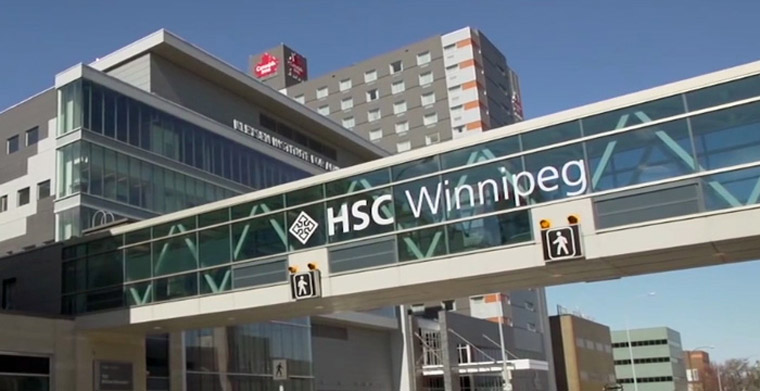
The Manitoba government is investing in co-ordinated safety upgrades at hospitals across the province, including the expansion of the SAFE app, one of the largest investments in institutional safety officers (ISOs) in Manitoba’s health system. Upgrades also include new prevention-focused measures designed to strengthen safety environments and response capacity.
“We are listening to front-line nurses and health-care staff who are asking for more support to feel safe at work,” said Health, Seniors and Long-Term Care Minister Uzoma Asagwara. “Our government is implementing a layered approach shaped by what health-care workers have asked for, including tools like the SAFE app, trained institutional safety officers and stronger access controls to create safer environments for both staff and patients.”
The initiatives reflect ongoing work informed by feedback from nurses and front-line teams and the health-care unions, including the Manitoba Nurses Union, the Manitoba Association of Health Care Professionals, Manitoba Government, Employees Union, and the Canadian Union of Public Employees Manitoba.
The SAFE mobile app is now available at St. Boniface Hospital, Health Sciences Centre Winnipeg and Brandon Regional Health Centre. The app provides staff with real-time safety alerts, a direct connection to security services, emergency notifications and personal safety tools within a single mobile platform to improve communication and situational awareness.
Manitoba is currently the only health system in Canada using an integrated mobile safety alert platform of this kind to support front-line staff safety.
Alongside expanded digital safety tools, the Manitoba government is strengthening on-site safety capacity through the addition of 128 fully funded ISOs across Manitoba including:
- 60 at Health Sciences Centre Winnipeg,
- 20 in the Prairie Mountain Health region,
- 18 at St. Boniface Hospital,
- 18 at Victoria General Hospital,
- 12 at Selkirk Mental Health Centre, and
- five new ISOs beginning shifts at Thompson General Hospital in March 2026.
These licensed officers receive specialized training in crisis intervention, de-escalation and emergency response, providing enhanced on-site support and improving co-ordinated response during incidents.
Additional prevention-focused measures include the installation of amnesty lockers at select facilities, including Thompson and Swan River. The lockers provide secure storage at entry points to reduce the risk of prohibited items entering hospitals, alongside strengthened monitored access points, expanded surveillance systems and enhanced emergency communication tools as part of a layered safety strategy.
At Health Sciences Centre, safety upgrades over the past year include AI-enabled weapons detection systems, expanded CCTV monitoring, enhanced cellular connectivity to eliminate communication dead zones, improved tunnel and parkade safety features, additional panic alarms and increased collaboration with Winnipeg Police Service through on-site presence and joint patrols.
In northern Manitoba, co-ordinated regional safety leadership has been introduced for the first time, including the hiring of a regional security manager in December 2025. Expanded emergency department security presence, secure monitored entry points and strengthened emergency protocols are also being implemented alongside these changes.
Across Prairie Mountain Health facilities, safety enhancements include workplace violence prevention programming, safe-walk programs for staff and visitors, improved visitor registration processes, expanded security patrols and regular staff safety huddles that help identify risks and inform ongoing improvements.
The Manitoba government will continue working with health authorities, unions and front-line teams to expand safety initiatives, monitor progress and ensure measures remain responsive to the evolving needs of health-care workers and patients.