
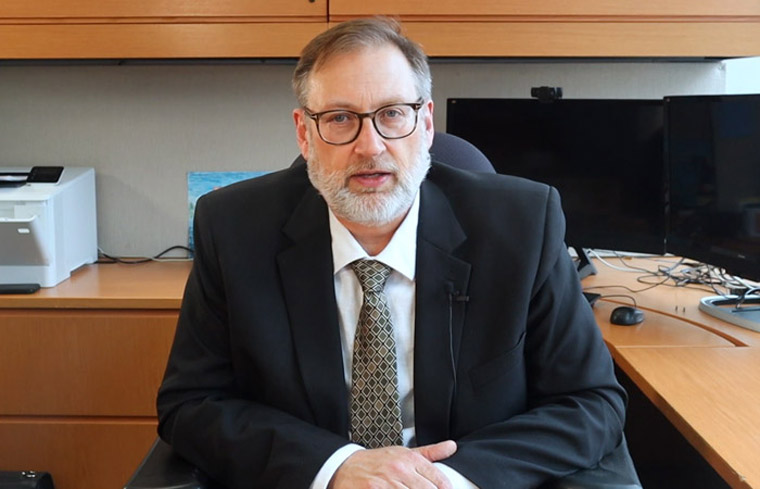
The Province of Manitoba lacks sufficient planning and data to meet its commitments under the Canada-Wide Early Learning and Child Care (CWELCC) Agreement, says Auditor General Tyson Shtykalo. The finding is contained in a new audit report, Child Care Access and Inclusivity in Manitoba.
“Access to affordable, high-quality, and inclusive child care is important to Manitoba’s social and economic well-being,” Shtykalo said. “It supports children’s development, enables parents to work or pursue education, and strengthens communities.”
The CWELCC Agreement is a federal–provincial initiative to make quality child care more affordable, accessible and inclusive for families with children under seven. This audit looked at whether the Province had plans and processes to meet its commitments related to accessibility and inclusivity.
Audit findings
Under the agreement, the Province committed to expanding access by creating 23,000 additional not-for-profit spaces for children under seven by March 31, 2026. The audit found that while the Department of Education and Early Childhood Learning (the Department) has taken steps to create new spaces, Manitoba is unlikely to meet its target by this date. The CWELCC Agreement has been extended to 2030-31.
The audit also found a lack of sufficient data on demand, waitlists, and space closures. Without this information, the Department cannot fully understand where child care is most needed or whether expansion efforts are improving access. “As a result, decisions about where to create or expand childcare spaces are often driven by immediate pressures rather than guided by long-term strategy,” Shtykalo said.
In addition, the audit found the Department has not used forecasting to understand how demand for child care may evolve over time, which would help with long-term planning.
“Affordable child care only matters if parents can get a space,” Shtykalo said. “Currently, Manitoba lacks the data and long‑term planning to understand where those spaces are most required, so decisions tend to focus on immediate pressures rather than a strategic path forward.”
Through the CWELCC Agreement, Manitoba also committed to ensuring equitable access to child-care spaces for children requiring individualized supports. The audit found while inclusion supports are available, long wait times for diagnosis, reluctance to pursue a diagnosis, as well as an administrative burden (including complex and repetitive paperwork, vague documentation standards, and redundant processes) can delay timely access for children with additional needs.
Recommendations
This report includes seven recommendations aimed at strengthening planning, data, and oversight so that child-care funding translates into meaningful and equitable access for Manitoba families. Visit oag.mb.ca to read the full report.
To explore child‑care coverage rates throughout Manitoba, visit oag.mb.ca.