
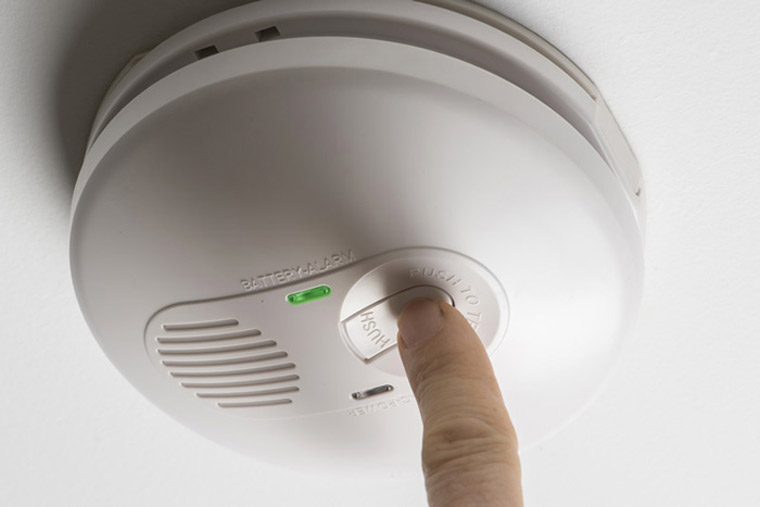
As temperatures cool and home heating systems begin running, Manitoba Hydro is reminding Manitobans to take steps to prevent carbon monoxide (CO) poisoning.
Carbon monoxide is an invisible, odourless, and tasteless gas that can be deadly. Often called the “silent killer,” CO can accumulate when fuel-burning appliances are not operating properly, vents become blocked, or vehicles are left running in attached garages. Fireplaces and wood stoves also require regular cleaning and inspection to help prevent carbon monoxide from building up inside the home.
“With furnaces, fireplaces, wood stoves, and other heating equipment returning to regular use, now is the time for customers to make sure their appliances are operating safely and that their carbon monoxide alarms are working properly,” said Manitoba Hydro Community Investment & Public Safety Specialist Tara Kendzierski. “Safety is the answer.”
Early symptoms of carbon monoxide poisoning can resemble the flu and may include headaches, nausea, and shortness of breath. Higher levels of exposure can cause dizziness, vomiting, confusion, loss of consciousness, and even death.
Manitoba Hydro recommends customers:
- Install a certified carbon monoxide alarm on every level of the home and near sleeping areas.
- Test alarms regularly and replace them according to the manufacturer’s recommendations.
- Have furnaces, fireplaces, water heaters, and other fuel-burning appliances inspected and maintained annually.
- Keep exterior vents clear of snow, ice, leaves, and other debris.
- Ensure chimneys are cleaned and maintained regularly.
- Never use barbecues, camp stoves, or fuel-burning space heaters indoors or in enclosed spaces.
- Never leave a vehicle running in an attached garage, even if the garage door is open.
If a carbon monoxide alarm sounds, all occupants, including pets, should leave the home immediately. Once in a safe location, call 911 or local emergency services. Do not return until emergency responders say it is safe to do so.
Working carbon monoxide alarms can save lives. Install certified CO alarms in your home and test them regularly to help protect you and your family.