
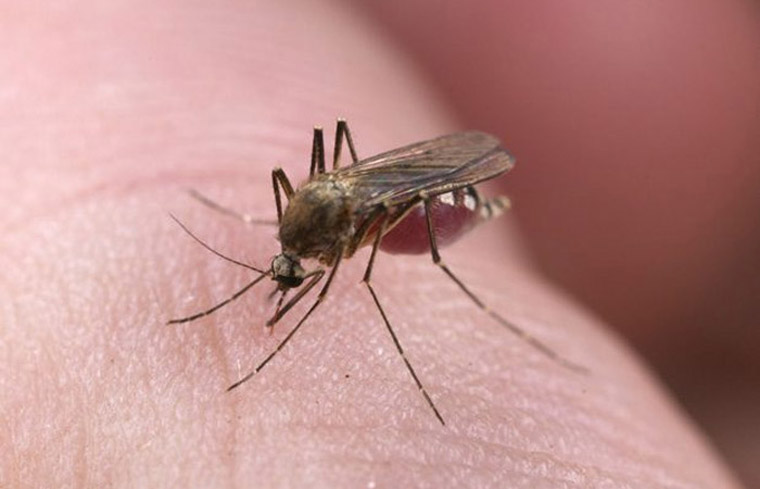
Manitoba Health, Seniors and Long-Term Care will conduct one additional round of adult mosquito control in the Rural Municipality (RM) of West St. Paul under an existing ministerial order, after surveillance data last week showed high Culex tarsalis mosquito counts and a high West Nile virus infection rate in the area.
Spraying with DeltaGard 20EW is scheduled to be completed this weekend, weather dependent. The confirmed date will be communicated through the RM of West St. Paul and posted on the 2026 schedule of adult mosquito control across southern Manitoba under ministerial order at gov.mb.ca.
Above-normal numbers of Culex tarsalis mosquitoes and West Nile virus infection rates continue to be detected in several communities across southern Manitoba, and the risk of transmission to humans remains ongoing. That risk is expected to decrease with cooler weather over the next few weeks. Four human cases of West Nile virus have been reported in Manitoba so far in 2026.
Surveillance data is updated weekly at gov.mb.ca and gov.mb.ca.
Health Canada approved DeltaGard 20EW for use in 2017 and classifies it as a reduced-risk pesticide. Applied using ultra-low volume methods and as per label directions, DeltaGard 20EW is unlikely to affect human health.
A single bite from an infected mosquito can transmit West Nile virus to humans. Infection may cause severe illness resulting in encephalitis (swelling of the brain), long-term complications and death. Manitobans can reduce their risk of mosquito bites and exposure to West Nile virus by:
- reducing time spent outdoors during peak mosquito hours between dusk and dawn;
- using appropriate mosquito repellent;
- wearing light-coloured, loose-fitting clothing with long sleeves and pant legs;
- ensuring door and window screens fit tightly and are free of holes; and
- reducing sources of standing water around their homes.
For more information on West Nile virus in Manitoba, including surveillance data, prevention tips and symptoms of infection, visit gov.mb.ca.