
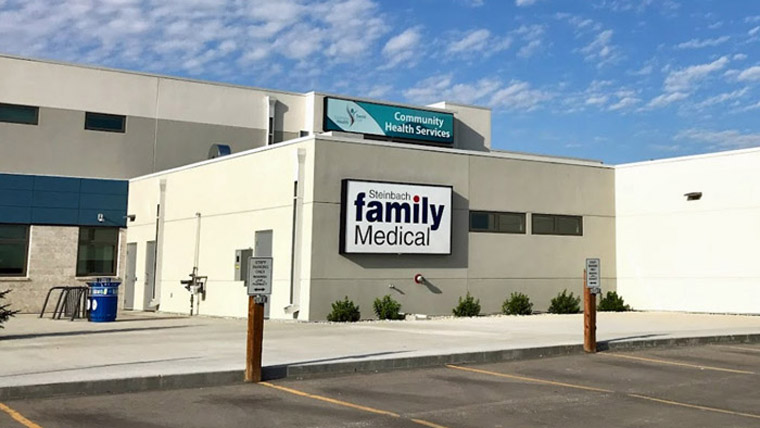
The Manitoba government welcomes the findings of the 2025 OurCare National Survey, which shows Manitoba is leading the country in access to primary care.
“Access is the front door to health care, and our government is reopening that door in Manitoba,” said Health, Seniors and Long-Term Care Minister Uzoma Asagwara. “It’s encouraging to see that nearly 89 per cent of Manitobans report having a regular primary care provider but our goal is 100 per cent. When we formed government, too many Manitobans had lost access to care while clinics were stretched beyond capacity. We made a deliberate decision to rebuild primary care, to hire more physicians, expand training and recruitment pathways, open extended-hours clinics and modernize how patients find and connect to care. Today’s results show those choices are making a measurable difference.”
The survey, led by researchers at the University of Toronto’s MAP Centre for Urban Health Solutions and supported by the Canadian Medical Association, found 88.8 per cent of respondents in Manitoba report having a family doctor, nurse practitioner or regular primary care setting, the highest rate in the country and well above the national average of 82.8 per cent.
Since 2023, the Manitoba government has hired a net increase of 285 new doctors, reversing years of attrition and helping stabilize care in communities across the province. Manitoba is also retaining more newly trained physicians, with 89 per cent of family medicine residents who completed training in 2025 choosing to remain in the province and enter clinical practice. Today, 99 per cent of Manitobans in Winnipeg are matched with a family doctor within the national standard of 25 days, many within 24 hours, up from 79 per cent when this government took office.
“Through the OurCare initiative, we had dialogues with hundreds of people across the country, including dozens in Manitoba, about what they wanted to see in a better primary care system. People were clear, everyone deserves access to high-quality primary care no matter where they live,” said Dr. Tara Kiran, family physician and researcher at Unity Health Toronto’s MAP Centre for Urban Health Solutions. “The results from our latest survey show that across Canada we aren’t meeting the mark with nearly 5.8 million people who don’t have access to primary care. But the good news is that Manitoba is leading the way, as 89 per cent of respondents from Manitoba said they had a family doctor, nurse practitioner or primary care clinic, among the highest in Canada. There’s still work to be done to get to 100 per cent but we also need to learn from what provinces like Manitoba are doing right.”
The Manitoba government has also expanded extended-hours primary care clinics to provide evening and weekend access for non-emergency concerns. These clinics allow patients to be seen outside traditional weekday hours, helping reduce pressure on emergency departments while improving continuity of care.
According to the OurCare survey, timely and after-hours access remains a challenge nationally, making Manitoba’s investments in expanded clinic hours particularly significant.