
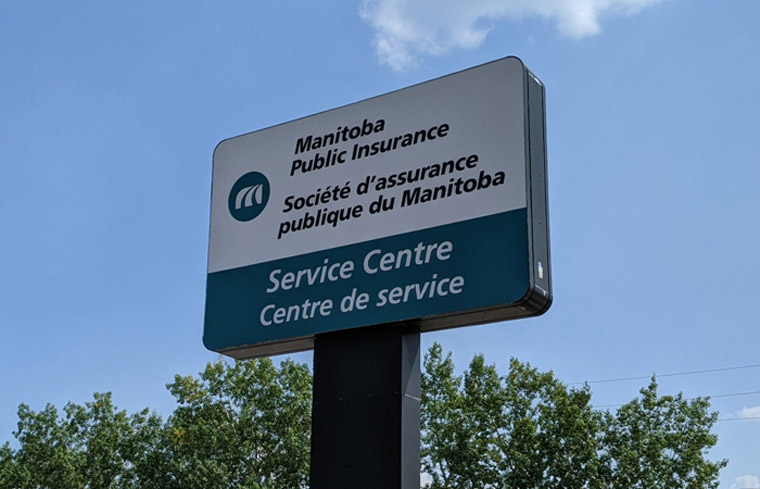
As Canada Road Safety Week begins, Manitoba Public Insurance (MPI) is proud to launch Road Safety Strategy 2030 – Safer Roads: A Shared Journey (RSS 2030), its new five-year plan to reduce serious injuries and fatalities on Manitoba roads.
The strategy reflects MPI’s responsibility as a public auto insurer by incorporating the latest collision data and reflecting what Manitobans and partners shared matters most to them when it comes to road safety.
Developed through extensive consultation, it focuses on four pillars: building a stronger road safety culture, forming partnerships based on shared responsibility, improving driving behaviours using targeted and evidence-based programs, and advancing road safety and reconciliation in collaboration with Indigenous communities. Overall, MPI heard from more than 65 organizations and nearly 3,000 Manitobans who shared their time, experience, and perspectives to help shape the plan, making it one of MPI’s largest engagement efforts in its 55-year history.
“We believe that the people and organizations who work in, interact with, and are affected by the road system every day are our essential partners in shaping a credible and effective road safety strategy,” said Satvir Jatana, President & CEO. “Because of their input, each pillar of our plan represents an area where MPI can influence meaningful change alongside its partners across the province.”
RSS 2030 is aligned with Canada’s Road Safety Strategy 2035+ and the principles of Vision Zero, which aims to eliminate all traffic fatalities and severe injuries, while increasing safe, healthy, equitable mobility for all. It also reflects the specific realities of Manitoba’s road safety landscape. Through MPI’s consultations, Manitobans and organizations stressed the need to address high-risk behaviours that remain leading contributors to fatalities in Manitoba, including speeding, distracted driving, impairment and failure to wear seatbelts.
Engagement results also revealed a need for driver education that better reflects the diversity of road users and travel environments. This includes modernizing driver training, expanding programming for cyclists and pedestrians, improving access to training in rural and northern regions, and offering more resources for newcomers. Participants also identified driver education, road design, and enforcement as the top factors influencing safety throughout the province.
“The foundation of the plan is built on the fact that road safety is a shared responsibility and that we all play a role in making roads safer. Every Manitoban, including drivers, pedestrians, cyclists and passengers, has a role to play in creating safer roads,” said Jatana.
“MPI is committed to creating meaningful change together with the people, communities and organizations who are also working every day to make Manitoba’s roads safer.”
RSS 2030 – Safer Roads: A Shared Journey is available at mpi.mb.ca.