
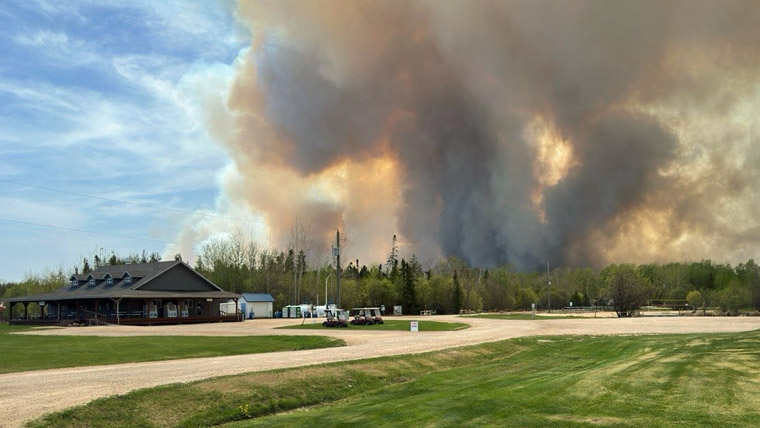
Manitoba Natural Resources and Indigenous Futures is preparing for the 2026 wildfire season by investing in wildfire equipment and resources, hiring additional staff and reminding Manitobans to take preventative steps to help prevent human-caused fires.
The 2025 Wildfire Interim After Action Review highlights several actions the province is taking to strengthen wildfire preparedness including:
- providing a $1.2-million upgrade to the Manitoba Wildfire Service’s weather information and fire mapping systems;
- creating a new initial attack and fire base in the Thompson area;
- adding 19 more seasonal positions, including adding three new initial attack crews, and converting 15 term emergency-management staff to new, permanent positions;
investing $1.1-million for aerial firefighting services; and - continuing recruitment and training of community‑based wildland firefighters, especially in First Nations.
Spring is one of the most critical times for wildfire prevention. Dry grass and debris can ignite easily and many spring fires are preventable. By following FireSmart practices early, Manitobans can help protect their communities throughout the fire season.
Following the 2025 wildfire season, which highlighted the significant role human activity plays in wildfire risk, the province is encouraging Manitobans to stay vigilant and make informed, responsible choices to help prevent wildfires. Here are 10 prevention tips Manitobans can follow to reduce the risk of wildfires:
- Do not burn if it is windy, as wind can make fires worse and blow embers and ash.
- Know and follow burn restrictions, which prohibit open fires from April 1 to Nov. 15 annually, except under a burning permit or in approved enclosed fire pits, such as grated campfire pits in provincial campsites.
- Never leave an outdoor fire unattended and always fully extinguish fires by drowning ashes and embers with water before leaving. This includes safely disposing of ashes from wood stoves, burn barrels and campfires.
- Practice FireSmart principles during spring cleanup. Prune tree branches on properties to two metres above ground, remove combustible debris such as dried leaves, needles and branches, and keep lawns shorter than 10 centimetres. For more information, visit firesmartcanada.ca.
- ATV riders should stay on developed trails and regularly check for debris in areas around the engine and exhaust system, disposing of any materials safely.
- Prevent sparks by checking and maintaining all equipment, including vehicle tires, trailers and off-road vehicles, and any other equipment traveling along roadways. Also check safety chains on trailers and make sure they are well off the ground before driving.
- Be prepared to extinguish small fires safely by making sure to always carry a fire extinguisher, axe and shovel when travelling in backcountry.
Hunters should ensure any firearm discharge residue is fully extinguished to prevent wildfires. - Do not fly drones near wildfires, as they can interfere with emergency aircraft operations. Water bombers and helicopters cannot operate safely if drones or other aircraft are in the area, which can delay response put firefighters on the ground at risk without air support.
- Practice FireSmart waste management as responsible management of garbage dumps helps reduce wildfire risk. Poorly managed waste sites can easily ignite and spread fire, especially during dry conditions.
To report a wildfire, call 911 or the TIP line toll-free at 1-800-782-0076.